Why You Should Always See the 3D Design Before Starting Your Renovation in Singapore
- Ron Quek
- Sep 20, 2025
- 4 min read


1. Brings Your Vision to Life
Many homeowners find it difficult to imagine how a floor plan will translate into real space. 3D renders bridge this gap by showing realistic perspectives of your living room, kitchen, bedrooms, and bathrooms.
Instead of relying on imagination, you see a lifelike image of the final outcome.
Helps align expectations between you and your interior designer.
Avoids disappointment when the finished result looks different from what you pictured.
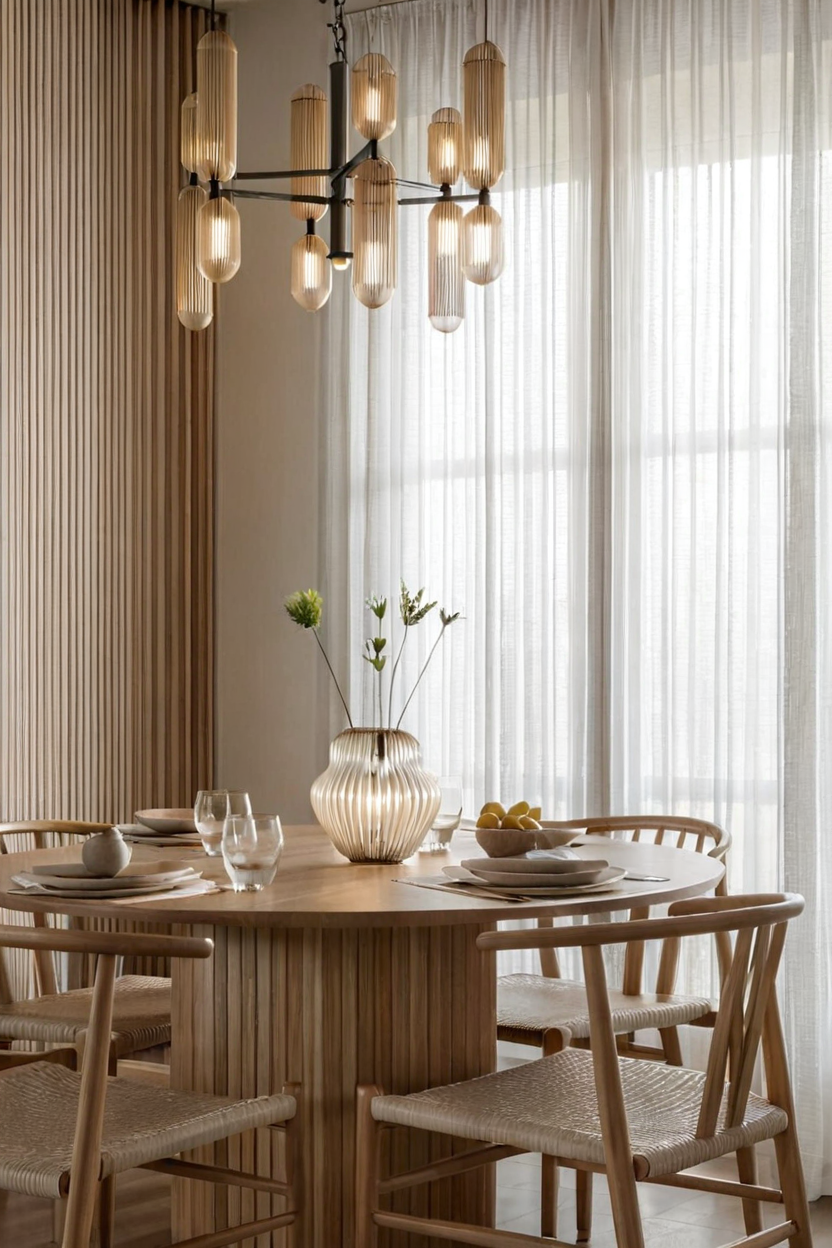
For example, you may want a minimalist design with light wood tones and hidden storage. A 3D render will show how that looks in your actual layout before carpentry begins.
2. Identifies Design & Layout Issues Early
Renovation involves multiple trades — carpentry, electrical, plumbing, tiling, and painting. A mistake in planning can lead to wasted money and rework.
By reviewing the 3D images:
You can spot awkward layouts, such as cabinets blocking windows or insufficient walking space.
Check if furniture sizes fit comfortably without making the room cramped.
Ensure there’s enough room for daily activities like cooking, laundry, or entertaining.
Catching issues during the design phase saves you time and avoids costly rectifications later.
3. Helps with Colour & Material Selection
Even if you’ve chosen tiles, laminates, or wall paints, it’s difficult to imagine how everything blends together. 3D renders show how colours and textures complement each other.
Test different colour schemes (e.g., light vs dark cabinetry).
See how lighting affects the mood of the room.
Confirm if flooring matches furniture and wall finishes.
This is especially important in Singapore homes where space is limited, as the wrong colour choices can make your home feel smaller or cluttered.
4. Budget Control & Avoiding Costly Changes
Making changes after carpentry or tiling has started can be very expensive. 3D designs let you make adjustments before renovation begins.
If you want to change the kitchen backsplash, you can see it in the render first.
If the wardrobe design looks too bulky, you can resize it before carpenters start cutting materials.
This step ensures you are happy with the design before committing, keeping your renovation within budget.
5. A Communication Tool Between You and Your ID
Many renovation disputes in Singapore happen because of miscommunication. Homeowners may assume the designer understood their vision, but the outcome turns out different.
With 3D visuals:
Both parties have a clear, agreed-upon reference point.
Reduces misunderstandings over style, colour, or layout.
Serves as a guide for contractors to follow during renovation.
At Blackwoods Interior, we make sure all our clients approve the 3D design before moving to the construction stage.
6. Things to Take Note of When Reviewing 3D Designs
Looking at a 3D render is not just about aesthetics — you need to check the details carefully to ensure functionality and comfort. Here are key things to note:
a) Proportions & Space Planning
Check walking spaces around the bed, sofa, and dining table.
Ensure door swings (wardrobe, toilet, bedroom) do not clash with furniture.
Visualise if the home feels spacious or cramped.
b) Storage Solutions
Confirm you have enough storage for daily needs.
Ensure cabinets are not too high or deep to access comfortably.
Check hidden storage under beds, benches, or TV consoles.
c) Lighting Design
Look at placement of cove lights, spotlights, and pendant lamps.
Ensure there’s enough brightness for reading, cooking, or relaxing.
Confirm warm vs cool lighting temperature to match your style.
d) Materials & Colours
Ensure flooring matches cabinetry and wall colour.
Avoid designs that may feel trendy now but become outdated quickly.
Consider easy-to-maintain finishes for high-traffic areas.
e) Practicality & Daily Use
Kitchen workflow: sink, hob, and fridge should form a working triangle.
Bedroom comfort: bed placement should not block windows or aircon airflow.
Bathroom layout: ensure enough clearance for shower screens and toilet.
7. Common Mistakes to Avoid
Falling in love with the render only: Some 3D images may look perfect but use materials that are beyond your budget. Always check specifications.
Not considering lighting differences: A render may look bright, but your actual home lighting may differ. Confirm lighting plan separately.
Ignoring measurements: Ensure all furniture dimensions fit your actual room size.
Skipping the review process: Some homeowners rush to start renovation, but skipping 3D approval can lead to regret later.
8. The Blackwoods Interior Approach
At Blackwoods Interior, we believe every Singapore homeowner deserves a smooth renovation journey. That’s why we:
Provide detailed 3D drawings for every project.
Guide clients through material selection and colour matching.
Ensure space planning is practical, not just beautiful.
Encourage clients to raise questions before confirmation.
With our experience in HDB, condo, and landed property renovations, we make sure your dream home is exactly what you envision.
Conclusion
Renovating your home is a big investment, and the last thing you want is to regret design choices after everything is built. By reviewing and approving the 3D design before starting renovation, you protect your budget, avoid miscommunication, and ensure your home turns out exactly the way you imagined.
When you’re ready to start your renovation journey, let Blackwoods Interior (www.bwi.sg) help you design with confidence. With our detailed 3D visuals, you’ll see your dream home before it comes to life.


https://keonhacai55.app/ dạo này mình thấy mọi người nhắc nhiều nên cũng tò mò vào lướt thử cho biết. Mình không phải dân cá cược gì đâu, chủ yếu xem kiểu người ngoài cuộc thôi, nhưng giao diện nhìn khá dễ chịu, không bị rối mắt. Cái mình để ý đầu tiên là phần tỷ lệ kèo cập nhật nhìn nhanh gọn, có kèo châu Á/châu Âu với tài xỉu đặt cạnh nhau nên liếc phát là hiểu đang so sánh gì. Với lại lịch thi đấu để ngay chỗ dễ thấy, lướt xuống chút là biết hôm nay có trận nào, khỏi phải bấm qua lại nhiều. Nói chung vào xem cho vui mà thấy bố cục chia khối rõ…
https://taixiuonline.ink/ mình cũng kiểu tò mò nên ghé thử xem sao, ai ngờ đọc khá ổn. Nội dung nhìn chung đi thẳng vào Tài Xỉu, không bị lạc qua mấy thứ linh tinh nên lướt nhanh vẫn bắt được ý. Mình có xem qua đoạn tổng hợp “top game uy tín 2026”, dạng tóm tắt nên hợp với ai muốn nắm sơ trước khi tìm hiểu sâu. Có thêm phần nói về mấy phiên bản Tài Xỉu khác nhau, mình nhớ có nhắc loại kiểu truyền thống với loại có mã để tự kiểm chứng, đọc dễ hiểu chứ không rối. Giao diện cũng gọn, tiêu đề và khối nội dung chia rõ nên cuộn xuống là thấy ngay phần…
U888vip1 mình thấy dạo này hay xuất hiện khi lướt mấy bài về giải trí online nên tò mò bấm vào xem thử giao diện thế nào thôi. Mình không có ngồi soi từng trò hay nội dung chi tiết, chủ yếu nhìn cách họ sắp xếp trang cho dễ dùng không. Ấn tượng đầu là bố cục khá thoáng, các mục chính được gom lại nhìn phát hiểu ngay chứ không bị nhồi chữ. Mấy khối thông tin hiển thị theo kiểu từng ô từng cột nên lướt nhanh vẫn bắt được ý, không bị rối mắt. Menu cũng để chỗ dễ thấy, bấm qua lại giữa các phần khá mượt, không phải tìm lâu. Nói chung mình thích…
alo8.xyz mình mới ghé thử vì thấy vài người nhắc, kiểu tò mò xem giao diện họ làm thế nào thôi. Mình không đọc kỹ nội dung, chủ yếu lướt qua cách họ chia mục và sắp xếp thông tin trên trang. Cảm giác đầu tiên là bố cục khá thoáng, nhìn vào không bị ngợp, các khối nội dung tách ra rõ nên kéo xuống cũng dễ theo dõi. Cái mình thích là menu để ngay chỗ dễ thấy, bấm qua lại giữa các phần không phải tìm nhiều. Nói chung mình chỉ cần vậy để nắm nhanh trang có gì, không mất công mò mẫm. Nhìn tổng thể thì phần tiêu đề và các khung nội dung trên…
alo88.eu.com hôm trước mình thấy bạn bè nhắc thoáng qua nên tò mò bấm vào xem thử giao diện thế nào. Mình không có tìm hiểu sâu nội dung, chỉ lướt vài phút để xem họ bố trí trang ra sao thôi. Ấn tượng đầu là mọi thứ nhìn khá gọn, kiểu chia khu vực rõ ràng nên không bị rối mắt khi mới vào. Cái menu nằm chỗ dễ thấy, bấm qua lại giữa các mục cũng nhanh, không phải mò lâu. Mình thích mấy phần thông tin được đặt thành từng khối riêng, nhìn một cái là biết đang ở đâu và có gì trên trang. Nói chung lướt nhẹ nhàng, không bị “ngợp” chữ, nhất là cách…