What You Need to Know About Home Renovations in Singapore Before You Start
Starting a home renovation in Singapore often begins with excitement and inspiration. Many homeowners dive into Pinterest, save stunning kitchen designs, and imagine their dream home. Then they look for an interior designer and think, "How hard can it be?" The reality is quite different. Renovation here involves more than just design. It requires managing expectations, budgets, timelines, and countless small decisions that most people don’t anticipate. This post shares what nobody really tells you before you begin your renovation journey in Singapore.
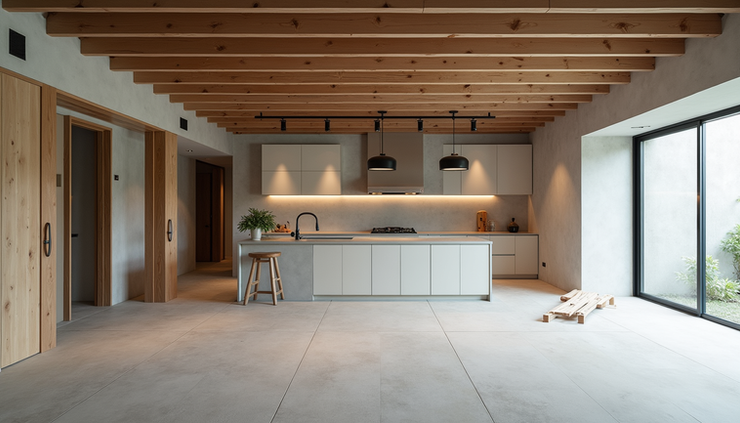
Your Dream Design Will Change Many Times
Almost every homeowner starts with a clear vision. They say, "I already know what I want." But once you factor in materials, space limits, lighting, and budget, your design will evolve. For example:
That sleek marble countertop you saw on Pinterest might be outside your budget.
A walk-in wardrobe may not fit comfortably in your available space.
Lighting fixtures might need adjustment to suit your ceiling height or electrical setup.
Good interior designers don’t just replicate your Pinterest boards. They guide you toward designs that work in real life, balancing aesthetics with practical constraints. Expect your dream design to shift several times before finalising.
Renovation Is Mostly Problem Solving, Not Just Designing
Many imagine renovation as creative sketching and 3D visuals. In reality, most work happens on-site and involves solving unexpected problems. Common issues include:
Hidden beams or pipes behind walls that affect layout
Uneven flooring discovered after demolition
Plumbing routes that don’t match original drawings
Electrical wiring constraints in older flats
Each problem requires quick decisions to keep the project moving. This is where experience counts more than just design skills. A seasoned contractor or designer can handle these challenges efficiently, saving you time and money.
Delays Are Normal but Can Be Managed
Delays during renovation are common in Singapore. Some delays are unavoidable:
Waiting for authority approvals such as HDB permits
Long lead times for imported materials or custom fixtures
Hidden site conditions that only appear after demolition
However, some delays happen due to poor planning:
Inadequate scheduling of tradespeople
Lack of coordination between contractors and suppliers
Taking on multiple projects simultaneously without enough resources
The key difference is communication. A good contractor informs you early about delays and works proactively to resolve them. If you only hear about problems after they escalate, that signals poor project management.
The Quotation Is Only the Starting Point for Costs
Many homeowners focus on the initial quotation, but the real cost often exceeds this figure. Reasons include:
Variations in material prices after ordering
Additional work discovered during hacking or demolition
Changes in design or scope requested mid-project
Fees for permits, inspections, and approvals
For example, if your contractor quotes $50,000 but you decide to upgrade your kitchen cabinets halfway through, expect the final bill to increase. Always budget a contingency of at least 10-15% for unexpected expenses.
Choosing the Right Contractor Matters More Than Design
A beautiful design means little if the contractor cannot deliver on time or within budget. When selecting a contractor:
Check past project references and visit completed sites if possible
Confirm they have experience with HDB or condo regulations
Ensure they provide clear timelines and payment schedules
Look for transparent communication and willingness to explain issues
A reliable contractor will help you navigate Singapore’s renovation rules and avoid costly mistakes.
Understanding Singapore’s Renovation Rules and Permits
Renovation in Singapore requires compliance with strict regulations, especially for HDB flats and condominiums. Key points include:
HDB requires permit applications for hacking, electrical, and plumbing work
Noise restrictions limit renovation hours, usually to weekdays 9am-5pm
Common property areas in condos need management approval before work
Fire safety and structural integrity must be maintained
Failing to comply can result in fines or orders to undo work. Your contractor should handle permit applications and ensure all work meets local codes.
Managing Your Renovation Timeline Realistically
Renovation projects often take longer than expected. Typical timelines for a full flat renovation in Singapore range from 8 to 12 weeks, depending on scope. Factors that affect duration:
Size of the unit and complexity of design
Availability of materials and tradespeople
Weather conditions affecting delivery or work
Changes requested during the project
Plan your move or living arrangements accordingly. If you stay in the unit during renovation, prepare for noise, dust, and limited access.
Tips to Stay on Budget and Avoid Surprises
To keep your renovation on track financially:
Set a clear budget with your contractor before work starts
Prioritise must-haves versus nice-to-haves in your design
Avoid making changes once construction begins
Keep a contingency fund for unexpected costs
Get detailed invoices and receipts for all expenses
Regularly review progress and costs with your contractor to catch issues early.
What to Expect After Renovation Completion
Once renovation finishes, expect some minor touch-ups or snagging issues. Common post-renovation tasks include:
Fixing paint touch-ups or scratches
Adjusting doors or windows for smooth operation
Checking plumbing and electrical fixtures for leaks or faults
Cleaning up leftover debris and dust
A good contractor will provide a warranty period for repairs. Keep all documents and communicate any problems promptly.


Comments